Vivah Panchami 2026 Festival Details, Dates and Highlights

 Home
Home DKSCORE AI
 Vivah Panchami 2026
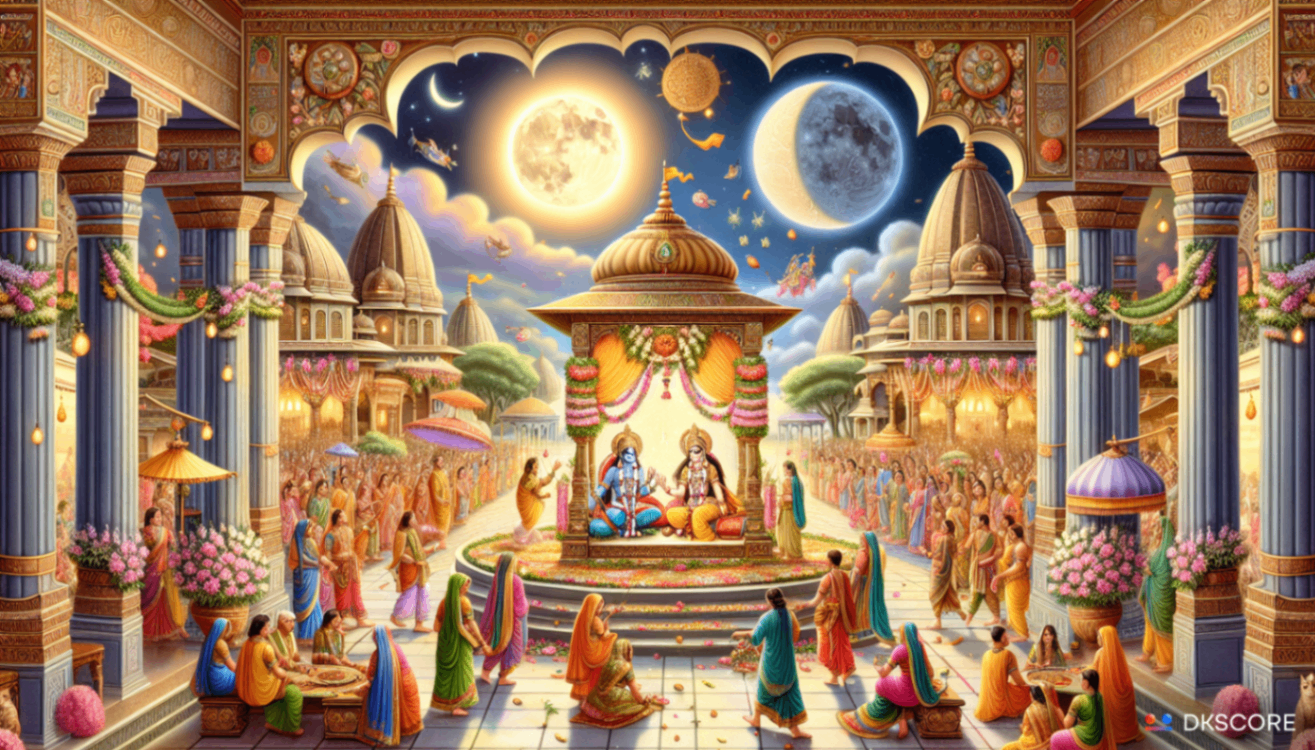
Vivah Panchami celebrates the divine marriage of Lord Rama and Goddess Sita, which is said to have occurred in the Treta Yuga. This festival is marked by religious rituals, fairs, and processions, where devotees celebrate the sanctity of marriage and seek blessings for a harmonious and prosperous marital life.
festival
Vivah Panchami 2026
religion
Hinduism
Date
14-11-2026
day
Saturday
Muhurat time
--
Duration
--
 Festival Date
14 Nov, 2026
Vivah Panchami
 Today Date
09 Jan, 2026
Vivah Panchami
Time Remaining
Why we Celebrate Vivah Panchami ?
Vivah Panchami is observed on the fifth day of the Shukla Paksha in the month of Margashirsha (November-December) and marks the divine wedding of Lord Rama and Goddess Sita. It holds astrological significance as it symbolizes the perfect union of two cosmic energies, represented by Lord Rama (the Sun) and Goddess Sita (the Moon), fostering harmony in relationships.
Important Days
Meditation and Mantras
Vivah Panchami 2026: Details, Dates and Highlights
Vivah Panchami is a revered festival rooted in the story of Lord Rama and Sita. Observed with devotion across many regions of India and Nepal, it marks a sacred moment—the marriage of Rama, the ideal king, and Sita, the embodiment of virtue. In 2026, the festival will be observed on a Panchami tithi in the Hindu lunar calendar. Since the exact date can vary by region and calendar tradition, this article provides a detailed, practical guide that covers meaning, timing, myth, astrology, rituals, health and spiritual benefits, mantras, and how Vivah Panchami is celebrated in today’s world. Whether you participate in temple rites, home pujas, or community events, the essence remains the same: celebrate harmony, commitment, and dharma in daily life.
Understanding the Significance of festival Vivah Panchami 2026
Vivah Panchami is more than a date on the calendar. It is a symbol of ideal partnership, mutual respect, and the duties that accompany a married life. The significance of this festival rests on several layers:
Historical and Scriptural Foundations
The main narrative linked to Vivah Panchami comes from the Ramayana and related Puranic texts. According to the legend, Rama’s marriage to Sita occurred after the successful completion of Rama’s trials and exile, as well as Sita’s own steadfast devotion. The event is anchored in King Janak’s palace in Mithila (modern-day Janakpur in Nepal). The moment of union signifies the victory of virtue over vanity, and the harmony that marriage can bring when coupled with righteousness (dharma).
Cultural Significance Across Regions
Different communities emphasize various aspects of the same story. In many parts of North India, the day is observed with a focus on the ideal wife and husband, the duties of a married couple, and the responsibilities of a household. In other regions, it carries a broader message about the sanctity of marriage within family and community life. Art, music, dance, and storytelling often accompany the celebrations, reinforcing timeless values for all ages.
Symbolism for Modern Life
In contemporary practice, Vivah Panchami invites families to reflect on partnership, partnership ethics, and the environment of home and community life. It also highlights the role of women as equal partners in decision-making, and the importance of building relationships on trust, respect, and shared values.
Vivah Panchami 2026 Date and Timing
Important note: Vivah Panchami is tied to the lunar calendar. The exact date changes region by region, depending on local panchangs (calendar calculations) and the observed tithi (lunar day). In 2026, the festival generally falls on a Panchami tithi during the Shukla Paksha (the bright half) of the Kartik or Margashirsha month, or, in some traditions, during other months that correspond to this narrative cycle. Because several regional calendars are in use, the common recommendation is to consult the local panchang or a trusted astrologer for the precise date in your area. The following guide provides a practical sense of timing and how communities typically observe the day.
Who marks the date?
The date is determined by regional priests, temple authorities, and family elders who follow the lunar tithi as it appears in local panchangs. Some communities also consider solar positions and meridian-based muhurats (auspicious times) when planning ceremonies.
Typical timing patterns
- Key focus on the Panchami tithi: most rituals begin when the Panchami tithi is underway, extending through the day.
- Muhurats vary by locality: urban temples may offer a morning puja with an afternoon arati, while village celebrations may center around late-morning to early afternoon rituals.
- Temple and home ceremonies: many perform the main rite during daylight hours, with aarti as evening celebrations. Some families observe a grand evening puja if the Panchami tithi continues into the night.
- Regional variations: while the central theme remains Rama-Sita marriage, the exact sequence of rituals can differ—parikrama (circumambulation), Kanyadaan (gift of a bride), and Vivaha homa (wedding fire ritual) appear in various forms depending on tradition.
Practical tips for schedule planning
- Check local panchang: confirm the exact tithi start and end times for your area.
- Coordinate with temples or community centers to learn about the day’s muhurats and the expected timings.
- Plan travel and seating well in advance if you’re attending a public temple event or a large community function.
- In homes, start preparations a day ahead with cleaning, decoration, and setting up a small shrine with Rama-Sita imagery.
Mythological Stories Behind Vivah Panchami 2026
Mythology becomes meaningful when it is tied to daily living. The stories behind Vivah Panchami offer lessons about love, duty, and the social context of marriage in ancient times, which many Hindus seek to apply in modern life.
Rama-Sita Marriage: The core narrative
The Ramayana’s core event centers on Sita’s swayamvar, where Rama wins Sita’s hand by stringing the divine bow of Shiva. The wedding is celebrated with ornate rituals, vows, and the blessing of family to ensure a righteous and harmonious married life. Sita’s steadfastness and Rama’s resolve are celebrated as a model of balance in partnership.
Janak and Mithila: The broader context
Janak, the king of Mithila, plays a pivotal role in the legends around this day. His daughter Sita’s choice, the test of the bow, and the community’s participation reflect a culture where marriage is not just a personal bond but a social alliance that strengthens kinship networks and regional identity.
Other related stories and variants
Some regions recount additional episodes tied to Rama and Sita or expand the festival’s meaning to other divine marriages or family blessings, emphasizing values such as mutual respect, faithful partnership, protection of the vulnerable, and the welfare of the family unit. These variations enrich the festival by connecting it to local customs, language, and art forms.
Vedic Astrology and Vivah Panchami 2026
Astral considerations have long accompanied auspicious weddings in Hindu practice. For Vivah Panchami, astrologers look at the planetary alignments, the positions of Venus (the planet of love and partnership), Jupiter (growth and wisdom), and the Moon (mind and emotion). The practical aim is to identify a day when the cosmic energies favor harmony, commitment, and family welfare.
Key astrological ideas to consider
- Venus-Vedic significance: Venus (Shukra) is associated with love, beauty, and aesthetics. A favorable Venus transit or aspects can signal a time when relationships feel harmonious and balanced.
- Mercury and communication: Mercury governs communication and agreement. Favorable Mercury positions support clear conversation and the sealing of mutual commitments.
- Jupiter’s blessing: Jupiter’s influence often aligns with long-term stability. An auspicious Jupiter cycle can strengthen the sense of duty and shared values.
- The Moon’s phase and Paksha: The lunar phase affects emotions and domestic harmony. A balanced Moon phase during the ceremony is traditionally considered beneficial.
Astrological considerations for planning
- Auspicious Muhurats: Astrologers may prescribe a specific muhurat window that aligns with the tithi (Panchami) and favorable planetary aspects.
- Venus-Venus: In couples where one partner has a strong Venus, the bond may feel more affectionate and supportive during the period.
- Dasha and transits: Some families consult their natal charts or the couple’s charts to validate the timing and to pick a date that minimizes conflicts with key planetary transits.
Astrological Insights for 2026
In 2026, astrologers highlight the importance of choosing a time when Venus and Jupiter show favorable aspects and when the Panchami tithi aligns with a supportive lunar and solar posture. Practically, this means families may consult local astrologers or panchang-makers to pick a date that harmonizes personal horoscopes with community observances. Remember that astrology is a belief system and a cultural practice used to inspire mindful decisions; it is one tool among many for planning a meaningful celebration.
Rituals and Practices of Vivah Panchami 2026
The rituals of Vivah Panchami vary by region and tradition, but they share a common aim: to honor Rama and Sita, celebrate marital harmony, and invoke divine blessings on the couple and the home. Here are widely observed practices you may encounter or choose to participate in:
Home-based rituals
- Home shrine setup: A clean, decorated space with images or idols of Rama and Sita, along with lamps, garlands, and flowers.
- Rangoli and decoration: Colorful rangoli designs, marigold garlands, and lamps (diyas) create a welcoming, festive atmosphere.
- Puja and prayer: A simple puja includes offerings of fruits, sweets, flowers, and coconut, accompanied by prayers for marital virtue and mutual respect.
- Reading and storytelling: Some families read verses from the Ramayana or narrate the Rama-Sita story to children and guests.
Temple rites and community ceremonies
- Special aarti and bhajans: Devotional songs recounting Rama and Sita are performed at temples and homes.
- Vivaha homa (wedding fire ritual): A sacred fire ritual may be conducted to symbolize the union and the couple’s vow to uphold dharma.
- Processions and tableaux: In some regions, processions featuring dancers and musicians enact the wedding saga.
- Discourse and satsang: Temple discourses explore the virtues of marriage and family life, offering guidance to couples and families.
Regional variations to note
- In Mithila and parts of Nepal, the celebrations may include a formal swayamvar-like reenactment or ritual re-creation focusing on Sita’s marriage.
- In other areas, the focus is more on the couple’s vows, home-centered rituals, and family blessings rather than elaborate public performances.
Practical tips for a meaningful ceremony
- Keep rituals simple and mindful: The intention behind the ritual matters more than its scale.
- Respect all participants: Ensure that rituals are inclusive and accessible to elders, children, and guests with different mobility needs.
- Use eco-friendly materials: Favor natural flowers, clay lamps, and recyclable items to honor the environment.
Health and Spiritual Benefits of Vivah Panchami 2026 Rituals
Rituals centered on marriage and family life can produce health and spiritual benefits when approached with mindfulness. These benefits are often described in traditional sources and echoed by modern wellness perspectives.
Physical and mental well-being
- Structured rituals provide routine, reduce stress, and create a sense of stability for families.
- Breath-focused prayers and slow, deliberate movements (such as pooja rites and arati) can promote calmness and reduce anxiety.
- Community gatherings foster social support, which is beneficial for mental health and a sense of belonging.
Spiritual benefits and inner growth
- Reflection on dharma (righteous living) and responsibilities in marriage encourages ethical decision-making and empathy.
- Gratitude practices—thankfulness for partners, family, and community—cultivate positive emotions and resilience.
- Recitation of mantras and stories reinforces moral values and spiritual connection for many participants.
Practical health-minded suggestions
- Hydration and rest: Large gatherings can be demanding; plan for adequate water and rest breaks.
- Healthy offerings: When sharing snacks and sweets, consider balanced options and food safety, especially for children and elders.
- Inclusive planning: Make sure activities are accessible for elderly participants and those with mobility needs.
Mantra Chanting During Vivah Panchami 2026
Chanting sacred mantras is a common accompaniment to Vivah Panchami rituals. Mantras focus attention, calm the mind, and align intention with spiritual aspiration. If you are new to mantra practice, you can begin with simple, time-tested verses and gradually incorporate more as you feel comfortable.
Representative mantras for Rama-Sita celebrations
- Rama Raksha Mantra: “Rama Raksha Raksha Rama Raksha Raksha.” This chant is often recited for protection and courage in marriage and family life. You can repeat it 11, 21, or 108 times as a devotional practice.
- Sita Rama Mantra: “Sita Ram, Sita Ram, Sita Ram.” A gentle repeated recitation of this mantra fosters devotion and harmony within the household.
- Om Sri Ramaaya Namaha: A classic invocation to Rama, used to seek divine blessings for righteous leadership and noble character in a partnership.
- Gayatri Mantra (optional, for broader spiritual focus): “Om Bhur Bhuvah Swaha, Tat Savitur Varenyam, Bhargo Devasya Dheemahi, Dhiyo Yonah Prachodayat.” This mantra is used for clarity and wisdom in all life’s duties, including marriage.
Guidelines for chanting
- Set a calm space: Sit comfortably, with eyes softly closed, and focus on the breath for a minute before chanting.
- Use a mala if preferred: 108 repetitions are common, but you can begin with 11 or 21 repetitions and gradually increase.
- Timing: Chanting can be done during puja, before meals, or in the evening during arati. Consistency matters more than intensity.
- Intention: Keep the intention clear—blessings for partnership, mutual respect, and family well-being.
Vivah Panchami 2026 in Modern Times
Today’s Vivah Panchami blends timeless devotion with contemporary life. Communities adapt the festival to urban realities, digital communication, and eco-conscious practices while preserving core values.
Digital and social connectivity
- Virtual blessings: Families far away can join via livestreams from temples or home shrines, sharing messages and prayers.
- E-cards and social posts: People send greetings featuring Rama-Sita imagery, quotes from the Ramayana, and messages about commitment and family harmony.
- Educational content: Online channels offer short stories, animations, and discussions about the festival’s significance for children and adults alike.
Community and temple life in the city
- Temple events often combine traditional rites with music concerts, theatre performances, and volunteer-driven community kitchens.
- Neighborhood fairs may showcase handicrafts, regional foods, and cultural programs centered on Rama and Sita’s virtues.
Modern ethics and inclusivity
- Gender equality: Many modern observances highlight mutual respect, shared responsibilities, and consent as essential elements of a successful marriage.
- Eco-friendly celebrations: Use of biodegradable materials, minimal waste, and responsible disposal of decorations are increasingly common.
- Accessibility and inclusion: Venues strive to accommodate elderly attendees, persons with disabilities, and families from diverse backgrounds.
Practical Guidance for Planning and Observing Vivah Panchami 2026
This section provides practical considerations to help individuals, families, and organizers plan meaningful observances. It combines traditional practices with modern logistics to create a thoughtful festival page for communities, temples, schools, and cultural organizations.
Planning checklist
- Confirm the date with your local temple or panchang, noting the exact Panchami tithi and sunrise-to-sunset timings.
- Decide on the scale of the celebration: home puja, temple ceremony, or community event.
- Assign roles: priest, volunteers, musicians, caterers, and coordinators for seating and accessibility.
- Prepare the shrine: Rama-Sita images, flowers, lamps, incense, prasad, and a clean space for the ritual.
- Plan the menu: offer options that suit a wide range of dietary preferences, with attention to hygiene and food safety.
Temple etiquette and safety considerations
- Arrive early: Temple crowds can be heavy; arriving early reduces waiting times and helps you follow the ritual sequence more smoothly.
- Dress modestly and respectfully: Following local norms, especially in temple precincts, is appreciated.
- Respect timings: Be mindful of queuing and the temple’s schedule to ensure an orderly program for all participants.
- Health precautions: Stay hydrated, carry masks if needed, and respect safety guidelines during large gatherings.
Inclusivity and accessibility
- Provide seating and rest areas for elders, with clear pathways for wheelchairs or strollers.
- Offer translated or simplified explanations of rituals for children and non-native speakers.
- Share the schedule in multiple formats (print, digital, whiteboard) to accommodate diverse audiences.
Conclusion
Vivah Panchami 2026 stands as a reminder of the enduring values that guide relationships and family life. Its narrative—Rama and Sita’s holy union—offers a timeless frame for reflection on partnership, duty, and mutual respect. The festival’s significance endures because it speaks to everyday life: how couples support each other, how families nurture harmony, and how communities uphold ethical living through shared rituals and devotion.
Whether you observe in a grand temple ceremony, a quiet home puja, or a community gathering, the core message remains the same: cultivate love, practice loyalty, and live with a sense of duty toward family, society, and the greater good. The 2026 observance offers a bridge between tradition and modern life—where the sacred story informs contemporary choices and where ritual practice can bring health, peace, and spiritual growth to all participants.
Note: If you are planning for 2026, please verify the exact date and muhurats with your local temple, priest, or a trusted panchang—the tithi and timings can vary by region and calendar tradition. This article provides guidance to support thoughtful preparation and inclusive celebration across communities.
Charity and Donations
Joy Stories Foundations
Joy Story Foundation is a section-8, non-profit organization founded in November 2019, registered with Ministry of Corporate Affairs, Government of India. It aspires to build stories around “Joy for Everyone” by practicing the values of collective philanthropy and by maintaining utmost transparency in order to achieve it. Our vision is to ensure that we do our bit to free the world of gloom, sorrow, deprivation, pessimism, and pain by inducing small positive moments to bring joy in the world. And we would go to any extent to achieve that, irrespective of geographical boundaries, religion, age, color or need. Our giving would be completely unbiased, non- religious and non-political.
 Donation Links
https://joystoryfoundation.org/Upcoming Festivals

Masik Kalashtami January 2026
Dedicated to Lord Bhairava, observed on the eighth day of the dark half of every lunar month

Masik Krishna Janmashtami January 2026
Masik Krishna Janmashtami is celebrated by fasting, chanting Krishna mantras, and performing puja to… Read more
Swami Vivekananda Jayanti 2026
Commemorates the birth anniversary of Swami Vivekananda

National Youth Day 2026
National Youth Day is observed every year on January 12th, marking the birthday of Swami Vivekananda… Read more


 Download App