Swami Vivekananda Jayanti 2026: Celebration, Date & Highlights

 Home
Home DKSCORE AI
 Swami Vivekananda Jayanti 2026
Commemorates the birth anniversary of Swami Vivekananda.
festival
Swami Vivekananda Jayanti 2026
religion
Hinduism
Date
12-01-2026
day
Monday
Muhurat time
--
Duration
--
 Festival Date
12 Jan, 2026
Swami Vivekananda Jayanti
 Today Date
09 Jan, 2026
Swami Vivekananda Jayanti
Time Remaining
Why we Celebrate Swami Vivekananda Jayanti ?
Observed on Swami Vivekanandas birth date. Swami Vivekananda Jayanti is celebrated to honor the birth of Swami Vivekananda, a spiritual leader and philosopher who introduced Indian philosophies of Vedanta and Yoga to the western world. His birthday, January 12, is observed as National Youth Day in India to inspire the youth with his teachings and ideals.
Important Days
Meditation and Mantras
Swami Vivekananda Jayanti 2026: Date, Celebration & Highlights
An in-depth guide to the birth anniversary of Swami Vivekananda, celebrated globally as a time for reflection, learning, service, and youth empowerment.
Understanding the Significance of festival Swami Vivekananda Jayanti 2026
Swami Vivekananda Jayanti marks the birth anniversary of one of Indias most influential spiritual teachers and social reformers. Born in 1863, Narendranath Datta—who would become Swami Vivekananda—embodied a powerful synthesis of Vedanta philosophy and practical action. The festival is more than a day of remembrance; it is an occasion to renew energy for self-improvement, social service, and the pursuit of truth without fear or prejudice.
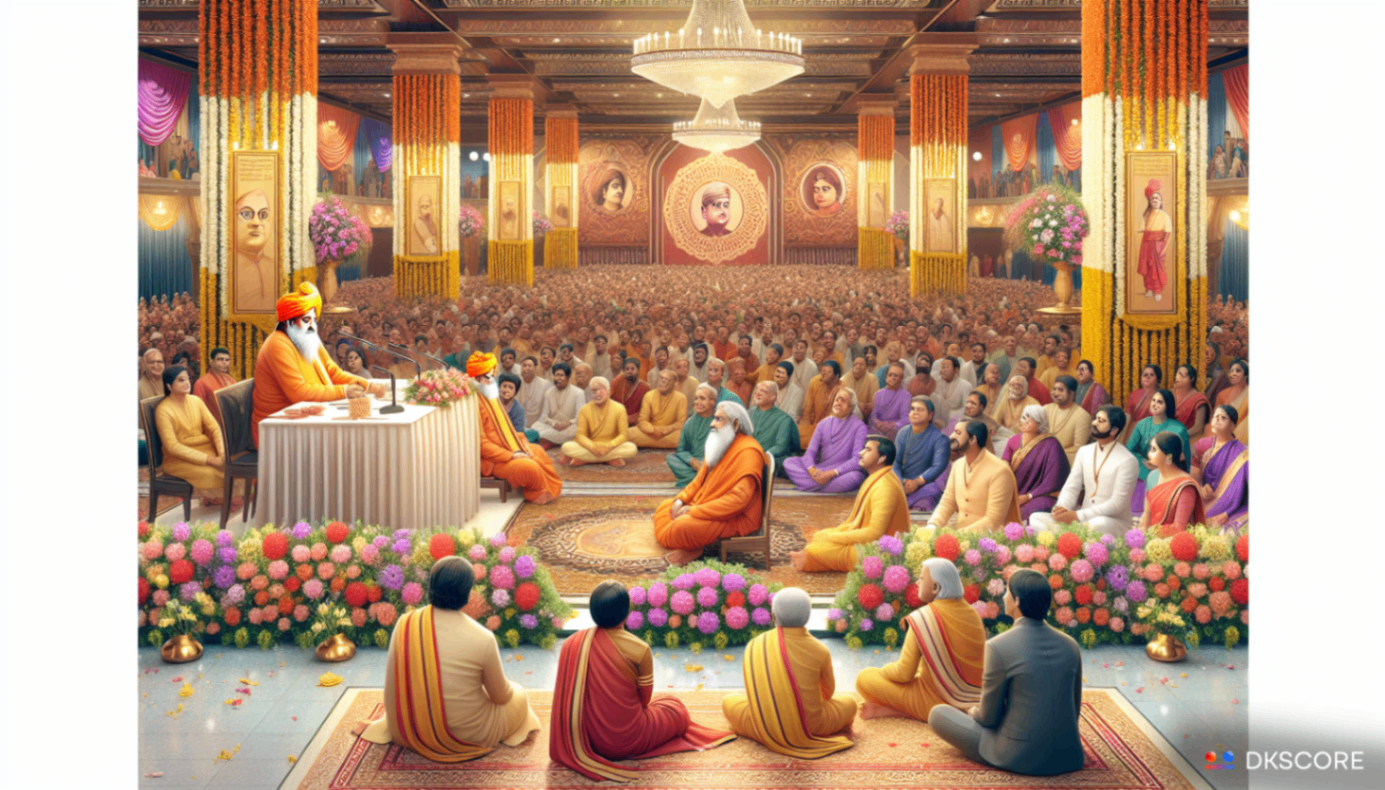
Across the world, communities honor his legacy by promoting education, ethical leadership, and compassionate service. In India, the day rings especially loud as National Youth Day, a designation that aligns with Vivekananda’s lifelong emphasis on youth empowerment, fearless inquiry, and service to society. Schools, universities, spiritual centers, and volunteer organizations organize lectures, youth camps, community seva, cultural programs, and readings from his sermons and writings. The festival thus functions as a bridge between the spiritual wisdom of Vedanta and the practical needs of a modern, diverse world.
Key themes to understand the significance include:
- Self-confidence and courage as tools for personal growth and social transformation.
- The unity of all beings—an invitation to respect different faiths, cultures, and backgrounds while pursuing truth.
- Service as a sacred duty: the idea that serving others is a direct expression of spirituality.
- Education as a liberating force—science, art, and moral education all have a role in uplifting society.
- The reinterpretation of ancient wisdom for contemporary life, making Vedantic ideas accessible to youth and adults alike.
For organizers and individuals, the festival offers a blueprint for meaningful celebration: study, reflection, community service, and the sharing of ideas that empower young people to become responsible, compassionate leaders.
Swami Vivekananda Jayanti 2026 Date and Timing
Swami Vivekananda Jayanti, observed on January 12 each year, commemorates the birth anniversary of Swami Vivekananda. In 2026, January 12 falls on a Monday. The day is widely marked by formal programs in temples, cultural centers, educational institutions, and Ramakrishna Mission centers, with activities that typically begin in the early morning and continue into the evening. Observances often include the reading of Vivekananda’s works, public lectures, devotional singing, youth programs, and charity drives.
In 2024, January 12 fell on a Friday, and many communities aligned their celebrations with the weekday schedule, adding additional parallel events such as weekend lectures or youth workshops when possible. The core idea remains consistent: create a space where learning, service, and inspiration intersect, regardless of the precise calendar timing.
General timings you may encounter during a typical Jayanti celebration (these can vary by location):
- Early morning: Special shrines open with a bath (snan), aarti, and a brief discourse or reading from Vivekananda’s writings.
- Mid-morning to noon: Lectures, youth seminars, and panel discussions on themes like leadership, character, and social service.
- Afternoon: Community seva activities, charitable drives, and distribution of prasad or booklets related to his teachings.
- Evening: Bhajans, kirtans, and a closing discourse or satsang; aarti and candle lighting often accompany the final prayer.
Tip for attendees: check with your local Ramakrishna mission, temple, university, or cultural center for the precise schedule, venue, and any registration requirements. If you cannot attend in person, many centers offer live streams or recorded sessions to ensure broad access to the celebration.
Mythological Stories Behind Swami Vivekananda Jayanti 2026
Swami Vivekananda’s life is rooted in real events—yet several traditional narratives circulate among devotees that elevate moments of awakening into mythic imagery. These stories serve as powerful reminders of inner courage, divine inspiration, and the transformative power of steadfast faith. It is important to distinguish between historical accounts and mythic retellings that convey moral and spiritual truths.
Here are a few widely shared inspirational narratives associated with his life. Readers may encounter variations, and different communities may emphasize different episodes:
- Children’s awakening and a turning inward: As a curious and restless boy, Narendranath questioned conventional authority and sought a higher truth. A common retelling describes a moment when he resolved to seek truth with unwavering determination, a decision that set the tone for his lifelong pursuit of knowledge and spiritual realization.
- The spark of Ramakrishna’s influence: After meeting his guru, Sri Ramakrishna Paramahamsa, Vivekananda’s life purportedly underwent a dramatic shift. Followers recount a transformation from intellectual inquiry to experiential devotion, with Ramakrishna guiding him toward a vision that connected personal enlightenment with service to humanity.
- Mother goddess and inner protection: In some narratives, Vivekananda’s early years are described as being sheltered by a maternal blessing or atmosphere that reinforced inner strength and moral clarity. These stories emphasize the role of devotion as a source of resilience in the face of doubt or hardship.
- Public mission and fearless exposure: The famous insistence on delivering truth in the face of challenging audiences—whether in spiritual gatherings or public forums—becomes a moral metaphor: fearlessness in pursuit of the highest ideals, coupled with compassion for all beings.
These narratives, while steeped in devotion and symbolic meaning, aim to inspire by illustrating a life lived with purpose. For readers and practitioners, they offer a framework to reflect on one’s own path: how to cultivate inner strength, a clear sense of purpose, and a willingness to serve others.
Vedic Astrology and Swami Vivekananda Jayanti 2026
Vedic astrology, or Jyotisha, looks at celestial configurations to offer guidance on auspicious timings and karmic patterns. For a festival anchored in a spiritual figure who championed discernment, courage, and service, astrology is often consulted to identify favorable periods for study, meditation, and public programs. Here are some key ideas that are commonly discussed in the astrology-informed community around Vivekananda Jayanti:
- The birth and celebration date: Vivekananda was born on January 12, 1863. In Jyotisha, the birth date is used symbolically to reflect a person’s life path and the energy they carry into the world. Jayanti celebrations are often held on or near this date to honor that energy and align activities with it.
- Sun position in Capricorn (Makara): The festival occurring in early to mid-January commonly coincides with the Sun’s journey through Capricorn. This sign is associated with discipline, purpose, and service—qualities that mirror Vivekananda’s emphasis on organized action, ethical leadership, and social upliftment.
- Mahayoga windows for study and service: Astrologers may point to specific day-specific auspicious periods, known as muhurtas, for lectures, charitable drives, or large gatherings. These windows are chosen to maximize focus, clarity, and harmonious energy among participants.
- Planetary trends and spiritual work: Some astrologers consider transits of Jupiter, Saturn, and inner planets as reflective of educational and moral growth. When Jupiter aspects the house of knowledge or the house of service in a chart, communities may experience enriched learning environments and generous giving.
Important note: astrology provides a symbolic lens that people use to frame meaning and timing. It is not a guarantee of outcomes. Communities and individuals are free to celebrate Vivekananda Jayanti with or without consulting astrological charts. The focus remains on learning, service, and collective uplift.
Swami Vivekananda Jayanti 2026: Astrological Insights
Comparing the Jayanti celebrations of 2024 and 2026 offers a look at how the same festival can be experienced differently due to the calendar, days of the week, and prevailing planetary influences. Here are some thoughtful insights often discussed by enthusiasts and astrologically inclined communities:
- Day of the week: In 2024, January 12 fell on a Friday, while in 2026 it falls on a Monday. The day of the week can influence the energy of public gatherings. Fridays are often associated with devotion and community bonding in Indian cultural contexts, while Mondays are typically seen as days of new beginnings and renewed focus on duties and commitments.
- Planetary cycles and themes: Each year brings a unique planetary backdrop. Some cycles emphasize education and scholarship (aspected by Jupiter) while others highlight discipline and service (often associated with Saturn’s influences). Some years may encourage more public discourse and youth engagement, while others emphasize quiet reflection and study.
- Public participation: A Monday Jayanti can encourage weekday programs at schools and universities, complementing weekend celebrations at temples and cultural centers. In 2024, Friday observances may have drawn more family-centric or evening events, depending on local customs and institutional calendars.
- Global resonance: In a digital age, both years saw growth in online satsangs, e-learning modules, and global livestreams. The core message—education, service, and spiritual inquiry—transcends date-specific circumstances and resonates with a worldwide audience.
Across both years, a common thread remains: the celebration isn’t just about remembrance. It is about translating Vivekananda’s ideals into action—through study, ethical living, and service to others. Astrological insights, when used, serve as a guide to time and intention, not as a fixed forecast of outcomes.
Rituals and Practices of Swami Vivekananda Jayanti 2026
Rituals on Vivekananda Jayanti blend devotion, learning, and community service. They are designed to deepen understanding of his ideas while encouraging practical steps that reflect those ideas in daily life. A typical day or festival period may include the following practices:
- Morning prayers and auspicious rituals: Many centers begin with a traditional wake-up call, a cleansing bath, and the lighting of lamps or candles. A short puja or arati to the divine feminine energy (often symbolically linked to the Mother and Ramakrishna-Vivekananda lineage) sets a calm and focused tone for the day.
- Recitation and study: Selected passages from Vivekananda’s lectures, letters, and books—such as Raja Yoga, Karma Yoga, or The Complete Works of Swami Vivekananda—are read aloud or studied in small groups. Some programs feature debates or discussions on contemporary applications of his ideas in education, leadership, and social reform.
- Lectures and panel discussions: Scholar-practitioners, educators, and young leaders share insights on topics like ethical leadership, inclusive education, youth empowerment, gender equality, and mental resilience. The goal is to connect his ethos with modern challenges.
- Devotional singing and meditation: Bhajans and kirtans that honor the Ramakrishna-Vivekananda tradition are common. Meditation sessions, often guided, help attendees cultivate inner focus and compassion.
- Service and seva: A hallmark of Vivekananda’s message is seva—the service of others. Many centers arrange food drives, clothing collections, medical camps, or volunteering opportunities for marginalized communities, refugees, students, or the elderly.
- Book distribution and education drives: Free books, study materials, and samples of Vivekananda’s writings are distributed to students and readers. Scholarships or sponsorships for education may be announced or implemented during Jayanti events.
- Young minds in action: Special programs for students—like leadership bootcamps, essay contests, debates on social ethics, and science-for-society workshops—are designed to harness youthful energy in constructive ways.
- Global and online engagement: In today’s connected world, many programs are broadcast live, and online discussions invite participants from around the world to join in real-time or view later.
Practical tips for organizers and participants:
- Coordinate with local Ramakrishna Mission centers, temples, schools, and cultural organizations to align schedules and resources.
- Balance formal lectures with interactive sessions to keep younger audiences engaged.
- Include inclusive language and activities that invite people of all backgrounds to participate.
- Provide accessible options for differently abled participants, such as captioned talks, wheelchair access, and quiet spaces for reflection.
- Promote ethical practices in line with Vivekananda’s ideals—truthfulness, nonviolence, respect, and service to the vulnerable.
Health and Spiritual Benefits of Swami Vivekananda Jayanti 2026 Rituals
Beyond the philosophical insights, the rituals around Vivekananda Jayanti can contribute to physical, mental, and spiritual well-being. Here are some benefits that many participants report:
- Calm focus through meditation: Guided meditation and quiet reflection help reduce stress, improve attention, and restore emotional balance. Regular mindfulness supports healthier decision-making and resilience in daily life.
- Breath and energy through prayer: Prayers and devotional singing encourage deep, rhythmic breathing, which can lower heart rate and promote a sense of inner safety.
- Physical activity through service: Community seva, fundraising walks, and charity drives involve movement that supports cardiovascular health and social connection.
- Mental clarity via study: Reading and discussions sharpen critical thinking, memory, and conceptual understanding—often leading to better coping strategies for life’s challenges.
- Social and emotional benefits: Serving others creates a sense of belonging and purpose. Community study circles and youth programs build empathy, collaboration, and leadership skills.
- Spiritual alignment: The repetition of mantras, reflection on Vedantic ideas, and reverence for a path of truth can nurture a sense of meaning and ethical grounding.
While individuals may experience these benefits differently, the holistic approach of study, reflection, and service tends to promote overall well-being when practiced with consistency and balance.
Mantra Chanting During Swami Vivekananda Jayanti 2026
Mantra chanting is a common feature of Vivekananda Jayanti observances. The goal is to cultivate focus, peace, courage, and compassion. Here are some recommended mantras and shlokas that are popularly used during Jayanti celebrations. Transliteration is provided to help readers recite with proper pronunciation:
- Om – The primordial sound; the basis of all chants. A short period of listening and breathing with Om can center the mind.
- Gayatri Mantra (Om Bhur Bhuvaḥ Saha, Tat Savitur Vareṇyaṃ, Bhargo Devasya Dhimahi, Dhiyo Yo Naḥ Prachodayāt) – A universal prayer for enlightenment and wisdom.
- Aham Brahmasmi (From the Upanishads) – I am Brahman. A reminder of the essential unity of consciousness.
- Shanti Mantras – Om Sahana Vavatu; Om Shanti Shanti Shanti; these cultivate harmony and peace within and around us.
- Om Namo Narayanaya or Om Namo Bhagavate Vasudevaya – Acknowledging the divine presence in all beings and in the cosmos.
- Durga or Kali mantras (seasonal and reverent in learning centers and temples): For courage and protection in moments of challenge, while keeping the focus on wisdom and compassion.
Guidance for practice:
- Begin with a few minutes of deep, slow breathing to settle the mind.
- Chant aloud or softly, whichever feels most natural and inclusive to the group.
- Pair mantras with a short period of silent reflection on Vivekananda’s teachings about courage, self-reliance, and service.
- End with gratitude for the opportunity to learn, share, and serve others.
Tip: If you are new to mantra practice, join a local satsang or virtual session where a guide can lead the pronunciation and pacing. The spiritual intention matters more than the exact pronunciation when a sincere heart is present.
Swami Vivekananda Jayanti 2026 in Modern Times
In recent years, Vivekananda Jayanti has grown beyond temple walls to become a global festival of education, youth leadership, and social service. Modern celebrations leverage technology, education, and civic engagement to echo Vivekananda’s call for a vigourous, courageous, and inclusive approach to life. Here are some notable developments shaping 2026 celebrations:
- Global online reach: Live-streamed lectures, virtual satsangs, and digital libraries make Vivekananda’s writings accessible to students and readers worldwide. Online study circles enable people who live far from traditional centers to participate in meaningful dialogue.
- Youth leadership programs: Youth camps and leadership training programs focus on character development, public speaking, critical thinking, and community service—aligning with Vivekananda’s emphasis on education as a tool for individual and social transformation.
- Community service drives: Social initiatives—food distribution, clothing drives, medical camps, disaster relief readiness—reflect his belief that true spirituality expresses itself in helping others.
- Interfaith and intercultural dialogue: Festivals emphasize unity in diversity, encouraging respectful dialogue across faiths and cultures as a practical application of Vedantic ethics.
- Educational partnerships: Institutions may partner with memory-based and skill-building programs to sponsor scholarships, books, and mentorship for students from underserved communities.
- Digital libraries and study aids: E-books, lecture videos, and curated reading lists help learners build a structured understanding of Vedanta, yoga, and the practical aspects of Vivekananda’s thought.
For individuals, modern Jayanti celebrations offer flexible ways to participate—attend a local talk, join an online session, read a key Vivekananda work, volunteer for a service project, or start a study circle with friends or colleagues.
Conclusion
Swami Vivekananda Jayanti 2026 is more than a date on the calendar; it is a living invitation to embody the best of ancient wisdom in a modern world. It calls us to learn with curiosity, act with courage, and serve with compassion. By combining traditional rituals with contemporary practices—lectures, youth programs, online learning, and community seva—we honor a legacy that continues to illuminate paths for countless people around the world.
Whether you observe the day through study, prayer, service, or a blend of all three, the core message remains universal: knowledge without action earns little; action without knowledge risks harm; but a life guided by wisdom, compassion, and fearless service can contribute meaningfully to the well-being of all beings. On Swami Vivekananda Jayanti 2026, let us renew our commitment to education, integrity, and service—both within ourselves and in the wider world.
As you plan or participate in celebrations, remember these practical steps to maximize impact:
- Involve youth and students in planning and leadership roles to keep the energy vibrant and future-oriented.
- Pair introspection with outward action—balance reflection with concrete service projects.
- Share Vivekananda’s ideas in accessible language, with examples relevant to your community’s context.
- Foster inclusivity, inviting people of all backgrounds to participate without hesitation.
- Document and share outcomes—lessons learned, services delivered, and personal inspirations—to inspire others to continue the work beyond the festival.
Ultimately, Swami Vivekananda Jayanti 2026 invites us to be seekers who also become doers—intelligent, compassionate citizens of a global community who honor tradition while embracing the responsibilities of the present and the possibilities of the future.
Charity and Donations
Joy Stories Foundations
Joy Story Foundation is a section-8, non-profit organization founded in November 2019, registered with Ministry of Corporate Affairs, Government of India. It aspires to build stories around “Joy for Everyone” by practicing the values of collective philanthropy and by maintaining utmost transparency in order to achieve it. Our vision is to ensure that we do our bit to free the world of gloom, sorrow, deprivation, pessimism, and pain by inducing small positive moments to bring joy in the world. And we would go to any extent to achieve that, irrespective of geographical boundaries, religion, age, color or need. Our giving would be completely unbiased, non- religious and non-political.
 Donation Links
https://joystoryfoundation.org/Upcoming Festivals

Masik Kalashtami January 2026
Dedicated to Lord Bhairava, observed on the eighth day of the dark half of every lunar month

Masik Krishna Janmashtami January 2026
Masik Krishna Janmashtami is celebrated by fasting, chanting Krishna mantras, and performing puja to… Read more

National Youth Day 2026
National Youth Day is observed every year on January 12th, marking the birthday of Swami Vivekananda… Read more

Bhogi Pandigai 2026
On Bhogi Pandigai, people discard old possessions and light bonfires to symbolize the removal of neg… Read more

Lohri 2026
A harvest festival celebrated primarily in Punjab
Related Video
Have doubts and need help?
Check out our Frequently Asked Questions to find the answers. But hey, if your doubts still persist, we are only a demo call away!
Frequently Asked Questions
Do’s: Attend programs organized by reputable institutions; respect all participants and sensibilities; follow venue rules, timings, and security instructions; dress modestly and comfortably; keep the surroundings clean and dispose of trash properly; be mindful of seniors, children, and differently-abled attendees; follow any health guidelines in place (masking, sanitizers, hydration); seek permission before recording or sharing photos/videos; maintain peace and avoid discussions that could lead to confrontations. Don’ts: do not disturb prayers or speeches; do not litter or vandalize property; do not carry weapons, intoxicants, or hazardous items; do not push, shove, or engage in unsafe crowd behavior; do not share inappropriate content without consent; do not trespass restricted areas or violate security protocols; do not engage in harassment, discrimination, or political campaigning at the venue.
Remedies (spiritual practices) to observe on Swami Vivekananda Jayanti 2026 include: engage in seva for the needy such as feeding the hungry or volunteering at a local service center; study Swami Vivekananda's teachings and life stories to gain practical insight for daily living; practice meditation and reflection to internalize his ideals of courage, self-reliance and service; recite or share inspirational quotes and discuss how to apply them in everyday life; organize or participate in youth empowerment activities, workshops or community service drives; observe a day of simple living, discipline and self-control to sharpen focus; visit Vivekananda centers or temples to seek guidance and offer prayers; make a personal pledge to adopt a constructive habit aligned with his ideals (education, skill development or regular study); engage in charitable acts and support education or welfare programs for the underprivileged; embrace universal brotherhood and compassion in daily interactions. Benefits include: spiritual upliftment, inner strength and greater courage to serve others; enhanced self-confidence, focus and leadership in youth; a clear sense of purpose and commitment to service; moral and ethical growth, compassion and social harmony; mental peace and reduced negativity; ongoing inspiration for learning, personal growth and community betterment.
Swami Vivekananda Jayanti is celebrated in 2026 to mark the birth anniversary of Swami Vivekananda (born January 12, 1863). In India, his birthday is observed as National Youth Day to honor his teachings on youth empowerment, education, service, and national awakening. The day highlights his messages of strength, self-reliance, unity, and service to humanity, and is observed through lectures, youth programs, and community activities aimed at inspiring young people to lead with character and vision.

 Download App