

 Home
Home

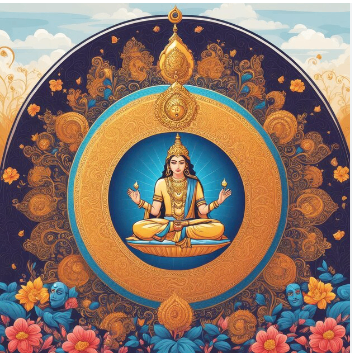


Pradosh Vrat is a revered observance in Hindu tradition, rooted in devotion to Lord Shiva and Goddess Parvati. The word “Pradosh” itself evokes the sacred twilight—a transitional period between day and night when many devotional practices are believed to reach their peak potency. In 2026, as in previous years, Pradosh Vrat is celebrated twice every lunar month: on the Trayodashi (the 13th day) of Shukla Paksha (the bright fortnight) and on the Trayodashi of Krishna Paksha (the dark fortnight). The vrata is not tied to a single season; it travels with the lunar calendar, weaving together family, faith, and spiritual discipline.
The core significance of Pradosh Vrat lies in three pillars: purification, protection, and prosperity. Fasting or partial fasting during the Pradosh period is believed to cleanse the body and mind of impurities accumulated through daily life. The twilight worship honors Shiva as the supreme auspicious force who transcends fear and pain, and it also honors Parvati as the benevolent form of the divine feminine energy that sustains harmony in the household. For many devotees, Pradosh Vrat is a practical framework for strengthening family bonds, practicing self-control, and inviting stability in personal and professional spheres.
Across regions in India and in Hindu communities worldwide, Pradosh Vrat is observed with varying regional flavors—local songs, language-specific mantras, flowers, and favorite bhajans. Yet the throughline remains the same: establish a sacred time in the day to pause, reflect, and invite divine grace. In 2026, this festival offers a timely reminder that devotion can align with modern life, bridging ancient wisdom with contemporary well-being.
Pradosh Vrat 2026 Date and Timing
The precise dates for Pradosh Vrat in 2026 depend on the lunar calendar and local sunrise-sunset times. Since Pradosh Vrat occurs on the 13th lunar day (Trayodashi) of both Shukla Paksha and Krishna Paksha, the Gregorian dates shift month to month. This page outlines the fundamentals and provides guidance on how to determine the exact dates for your location.
What defines the date and timing?
- The vrat is observed on Trayodashi, the 13th tithi, during either the bright (Shukla) or dark (Krishna) fortnight.
- The most auspicious window for Pradosh Puja is the sandhya kaal—the twilight period just after sunset, when the world transitions from day to night. This window can vary by season and geography but is commonly among the first hours after sunset and into the early part of the evening.
- In urban practice, many families perform a formal puja during the twilight window in their puja rooms or temples, often accompanied by aarti, bhajans, and distribution of prasad.
- Some communities also begin the vrat with a light breakfast (or light meals if fasting) and continue with a partial or full fast through the day, resuming after the twilight ceremony.
How to determine the exact date for 2026?
- Consult a reliable local panchang or calendar that lists tithi (lunar day), nakshatra (lunar mansion), and karana timings for your city. Many regional Hindu temples publish monthly panchang calendars aligned to local time.
- Check the Trayodashi tithi in both Shukla and Krishna Paksha for the month you are observing. If the Trayodashi falls on the same day as major festivals, the puja may be rescheduled per family tradition, but the vrat generally remains on the 13th tithi.
- Pay attention to sandhya kaal timings. Even if the Trayodashi begins late in the day, the pradosh puja is typically performed during the sandhya window, which may vary by location and season.
- Pregnant women, the elderly, and those with medical conditions often seek guidance from a priest or elder family member about the extent of fasting allowed; the schedule remains the same, but the practice can be adjusted for health and safety.
As a practical guide, once you identify the Trayodashi tithi for a given fortnight in 2026, you can plan the Pradosh Puja during the twilight window. If you want a quick, location-specific reference, many temple websites and panchang apps allow you to input your city and year to display the exact Pradosh dates and times. Always verify with a trusted local source to honor the regional customs and the precise lunar timings.
Mythological Stories Behind Pradosh Vrat 2026
Mythology surrounding Pradosh Vrat centers on the sacred significance of the pradosh (twilight) and the cosmic balance between day and night. While there isn’t a single canonical “Pradosh story” across all texts, several popular narratives and regional tellings enrich the vrat with meaning and inspiration.
Story 1: The twilight that pleased Lord Shiva
A common thematic thread in Pradosh Katha is the idea that the twilight period holds a special resonance with Lord Shiva. In many folk retellings, Asuras and Devas alike seek divine grace, and the seers teach that performing puja in the pradosh window pleases Shiva because it aligns with the natural rhythm of creation. The act of quiet devotion at sunset is described as inviting the Lord’s compassion, removing fear, and fostering inner steadiness in the devotee.
Story 2: The poison that became a blessing
A widely shared legend ties Pradosh to the story of the ocean churning, or Samudra Manthan, in which the divine poison halahala emerged from the depths. To protect the world from its devastating effect, Lord Shiva drank the poison, turning his throat blue (neelkanth) and saving all beings from harm. This tale is cited in many Pradosh accounts to emphasize the themes of sacrifice, self-control, and the power of devotion at a time of peril. Observing Pradosh Vrat is seen as a way to cultivate inner resilience, transformation, and the strength to endure life’s challenges without losing inner purity.
Story 3: Parvati’s devotion and marital harmony
In several regional renditions, Pradosh is linked to the steadfast love and devotion of Parvati to Shiva. The stories recount that Parvati’s tapasya during the Trayodashi phase and her steadfast rituals invoked the divine union of Shiva and Parvati, offering blessings for marital harmony, mutual respect, and long-lasting companionship. In practical terms, it’s common for married couples to observe Pradosh Vrat together as a way to honor Bhava (Shiva) and Shakti (Parvati) and to seek blessings for a peaceful home.
Regional variations and kathas
Across India, Pradosh Vrat stories vary, with local deities, temples, and sages adding unique narratives. For some communities, the vrat is linked to the legend of a righteous king who keeps a steady fasting schedule to protect his kingdom. For others, the emphasis is on a devoted wife who prays for her husband’s well-being and a faithful family life. Regardless of the narrative, the underlying message remains consistent: devotion performed with sincerity and restraint can invite divine grace and inner transformation.
Vedic Astrology and Pradosh Vrat 2026
Vedic astrology, or Jyotisha, associates every tithi, nakshatra, and planetary posture with specific outcomes. Pradosh Vrat is particularly linked to the Moon (Chandra), the Lord Shiva’s position in the sky, and the interplay of other planets that influence daily life. In 2026, astrologers emphasize the importance of observing the vrat when the Moon’s phase aligns with Trayodashi tithi and the corresponding sandhya kaal. The timing may shift the perceived results of the vrat, including focus, emotional balance, and spiritual elevation.
The role of tithi, nakshatra, and yogas
In Jyotisha, the tithi (lunar day) governs much of the ritual timing. Pradosh Vrat is favorable when Trayodashi occurs during a supportive nakshatra, such as Rohini, Mrigashira, Anuradha, or similar lunar mansions, though the exact nakshatra varies by location and year. Yogas—combinations of planetary aspects that bring auspicious or challenging energies—also factor into the perceived outcomes of the vrat on a given day. For example, a positive Yoga might amplify devotion, while malefic influences could call for a simpler, more introspective observance.
Practical guidance from astrologers
If you consult a Jyotishi (astrologer) for 2026 Pradosh, you may hear recommendations such as choosing a day when the Moon is waxing or when the Moon is in a favorable sign for your ascendant. Some practitioners suggest focusing on gratitude, humility, and non-harmful acts on the vrat to align with the Moon’s gentle energies. If you carry concerns about Saturn’s discipline or Mars’ energy, the vrat can become a quiet space to channel those energies constructively through prayer and self-control.
Pradosh Vrat 2026: Astrological Insights
Beyond general Jyotisha principles, there are practical insights that devotees often consider when planning Pradosh Vrat in 2026. These insights blend traditional wisdom with contemporary life, helping people align their spiritual practices with daily schedules, work commitments, and family responsibilities.
Significance for different ascendants
While Pradosh Vrat is a Shiva-centric vrata, its perceived impact can vary by ascendant. For example: - Aries and Leo ascendants may experience heightened motivation and a sense of courage during the vrat. - Cancer and Pisces ascendants might notice deeper emotional balance and compassionate resonance. - Virgo and Capricorn ascendants could feel improved discipline and focus on long-term goals. These are broad tendencies, not deterministic outcomes. The key is consistent practice and sincere devotion.
Planetary periods and recommended practices
Some devotees align the vrat with favorable planetary periods, such as a time when Mercury’s intellect and Venus’s harmony support devotional learning, or when Jupiter’s growth and auspicious influence are strong. The idea is to create a period in which the mind is calm, the speech is gentle, and the actions are pure. Practices can include more introspection, fewer distractions, and a deliberate focus on acts of service and kindness.
Rituals and Practices of Pradosh Vrat 2026
The heart of Pradosh Vrat is ritual practice. While regional variations abound, there are common elements that make the vrat accessible and meaningful for families of different backgrounds.
Fasting and dietary guidelines
- Traditionally, many devotees observe a partial or full fast through the day and break it after the Pradosh Puja in the twilight. The extent of fasting depends on personal health, family tradition, and guidance from elders or priests.
- People with health concerns or pregnant women often opt for a light vrat, consuming fruits, milk, and non-grain foods until the twilight ceremony.
- Some households observe non-violence in dietary choices, preferring sattvic (pure) foods such as simple grains, dairy, seasonal vegetables, and light spices.
- Prasad may include khichdi (a simple mixture of rice and lentils), fruits, and a sweet dish offered to the divine and then distributed to family members or neighbors.
Altar setup and essential offerings
- Setup a clean altar with a raised platform for a Shiva lingam or an image of Lord Shiva and Goddess Parvati. Fresh flowers, preferably white or blue lotus, can be used along with bilva leaves (bel patra).
- Keep a small bell, incense, lamp or diya, and a copper or brass pot (kalash) filled with holy water or ganga jal.
- Offer milk, water, honey, curd, sandalwood paste, and a simple binding of saptachurna (a powder made of seven ingredients) to the Shiva linga or image.
- Place belpatra (bilva leaves) as a symbol of devotion and auspiciousness. It is believed to be highly dear to Lord Shiva.
Abhishek and arati procedure
- Begin with a cleansing bath for the deity idol or lingam. Perform abhishek (sacred bathing) with milk, honey, water, and a little yogurt, followed by a gentle sprinkling of saffron or sandalwood scent.
- Offer flowers and bel leaves. Recite Shiva-invoking mantras, such as Om Namah Shivaya, and sing bhajans or listen to a Shiva stuti.
- Light a lamp and perform arati (the final waving of the lamp in circular motion to honor the divine). The ringing of bells is customary to invite positive energy and ward off negativity.
Chanting, katha, and devotional practices
- Chant Om Namah Shivaya or the Mahamrityunjaya Mantra (Om Tryambakam Yajamahe Sugandhim Pushtivardhanam Urvarukamiva Bandhanan Mrityor Mukshiya Maamritat) during the puja. Repetitions can be 108 times using a mala (rosary) or simply reciting with focus and breath.
- Reading or listening to a Pradosh Katha or a short story about Pradosh Vrat can deepen understanding and devotion. Some families prefer to recite Arunodaya or Lalita Sahasranama as part of the evening session.
- Conclude with aarti and distribute prasad. Common prasad includes khichdi, fruits, sweets, and milk-based preparations.
Rituals for households with children and elders
In homes with children, the vrat becomes a teaching moment about discipline, gratitude, and service. Elders may guide younger members through the steps, explain the symbolism of the offerings, and share stories about Lord Shiva’s courage and compassion. This intergenerational aspect is a hallmark of Pradosh Vrat’s modern celebration, helping to preserve tradition while nurturing family values.
Health and Spiritual Benefits of Pradosh Vrat 2026 Rituals
Beyond religious significance, many practitioners observe tangible benefits from Pradosh Vrat that align with holistic well-being. The combination of mindful fasting, structured ritual, and devotional focus can influence physical health, mental clarity, and emotional balance.
Physical health benefits
- Light fasting periods can support digestive rest and promote mindful eating when the fast ends, potentially reducing overeating and improving metabolism.
- Structured meal planning during the vrat can encourage healthier food choices, reducing impulsive snacking and promoting moderation.
- Abhishek, bathing, and an emphasis on cleanliness can enhance personal hygiene and a sense of ritual discipline that translates into daily habits.
Emotional and mental benefits
- The twilight worship acts as a daily mindfulness practice, reducing stress and fostering inner calm as the day ends.
- Chanting mantras and reciting prayers can modulate breathing and promote a calmer nervous system, potentially improving focus and emotional resilience.
- Sharing prasad and participating in family rituals reinforces social bonds and a sense of belonging, which supports emotional well-being.
Spiritual and ethical benefits
- Regular devotion encourages humility, gratitude, and non-harm, aligning actions with ethical values.
- The vrat provides a framework to reflect on life’s priorities, cultivate compassion, and engage in acts of service to family and community.
- By slowing down the pace of daily life, devotees often gain deeper spiritual insights and a clearer sense of purpose.
Mantra Chanting During Pradosh Vrat 2026
Mantra chanting is a central practice in Pradosh Vrat. Repetition aids concentration, tunes the mind to devotional energy, and invites the divine presence into the home. The following mantras are commonly used during Pradosh Puja:
Main Shiva Mantras
- Om Namah Shivaya
- Om Tryambakam Yajamahe Sugandhim Pushtivardhanam Urvarukamiva Bandhanan Mrityor Mukshiya Maamritat
- Om Hreem Namah Shivaya
Pradosh-specific recitations
- Chanting Om Namah Shivaya 108 times is a common focal practice during Pradosh Puja.
- Some households add a short Pradosh Katha recitation or listen to a devotional kirtan focused on Shiva and Parvati’s union and the power of devotion at twilight.
Guidelines for effective mantra practice
- Find a quiet space and sit comfortably, keeping the spine erect.
- Use a mala of 108 beads or simply breathe deeply as you chant, matching each mantra repetition to your breath.
- Keep the environment clean and free from negative distractions or harmful thoughts during the practice.
- If you are new to chanting, start with 9–11 rounds and gradually increase to 108 repetitions as you grow comfortable.
Pradosh Vrat 2026 in Modern Times
Modern life offers both challenges and opportunities for Pradosh Vrat. In 2026, many families find creative ways to keep the vrat relevant in a fast-paced world, while preserving the spirit of devotion, discipline, and community service.
Digital and social traditions
Virtual satsangs, online bhajans, and mobile panchang apps help individuals participate in Pradosh Vrat even when travel or work schedules make temple visits difficult. Online prayer groups allow people to share prayers, read Pradosh Kathas, and exchange blessings across distances.
Community and family rituals
In many neighborhoods, Pradosh Vrat 2026 is observed with neighborhood lamps, small community pujas, and shared prasad. Some devotees organize charitable activities—serving meals to the less fortunate or donating to local shelters—in keeping with the vrat’s ethical dimension.
Health-conscious and eco-friendly adaptations
The modern observance often includes mindful choices about food, packaging, and waste. Families might opt for vegetarian, locally sourced ingredients, and avoid non-recyclable materials during the puja. This aligns with the broader sustainable living ethos that many practitioners seek to uphold in everyday life.
Conclusion
Pradosh Vrat 2026 offers an auspicious opportunity to weave devotion, discipline, and compassion into daily life. By honoring the sacred twilight with fasting, ritual worship, mantra chanting, and community connection, devotees invite steadiness, protection, and spiritual growth. The vrat is not merely a ritual of the past; it remains a living practice that adapts to modern times while staying rooted in ancient wisdom.
Whether you approach Pradosh Vrat as a personal spiritual discipline, a family tradition, or a community celebration, the core message endures: take a moment during the day’s end to reflect, connect with the divine, and extend goodwill to others. As the sun sets and the night begins, the pradosh period becomes a bridge between effort and grace—a time to nurture inner peace, strengthen relationships, and invite blessings for the months ahead.
 Donation Links



 Download App