

 Home
Home

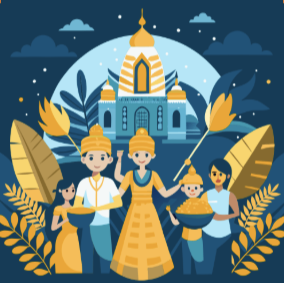


Pongal is one of the most cherished harvest festivals in South India, especially in Tamil Nadu, and it is celebrated by Tamil communities around the world. The year 2026 brings the same spirit of gratitude to nature, abundance, and renewed bonds with family, friends, and the land. While the core rituals remain rooted in tradition, modern celebrations often blend eco-friendly practices, community generosity, and digital ways of sharing joy. This guide explores the significance of Pongal 2026, the timing and astrological context, mythological stories, practical rituals, and how the festival adapts to contemporary life while keeping its essence intact.
Understanding the Significance of festival Pongal 2026
Pongal is more than a rice dish and a holiday. It marks the harvest season and the sun’s journey northward, known as Uttarayan. The festival is a grateful farewell to winter and a warm welcome to spring. It honors Surya, the Sun God, for giving light and warmth that nurture crops. It also honors the hard work of farmers and the cows and bulls that help the land. The celebrations emphasize three main ideas: gratitude for nature’s abundance, sharing with others, and renewing family ties and community bonds.
Traditionally, Pongal lasts for four days, each with its own focus. Cleaning and renewal come on Bhogi; the main Pongal day features the cooking and offering of the Pongal dish to the Sun; Mattu Pongal thanks the cattle that work the fields; Kaanum Pongal extends goodwill to neighbors and relatives. In addition to the ritual acts, people decorate homes with kolam (intricate floor designs), light lamps, prepare special foods, and participate in grazing cattle processions and village fairs. The modern festival keeps these threads alive while inviting eco-friendly practices, social generosity, and inclusive celebrations that embrace diverse communities.
Pongal 2026 2024 Date and Timing
Pongal is tied to the Tamil solar calendar and the sun’s transition, commonly observed around mid-January. In 2026, most communities mark Thai Pongal on January 14, with some regions observing January 15 depending on local customs, temple calendars, and community traditions. The exact date can vary by a day or so in different districts and among families, but the emphasis remains on the same celestial marker: the Sun entering a new arc of the year and the rising warmth of longer days.
Comparing with 2024 helps illustrate the regional variability. In several Tamil-speaking communities, Pongal celebrations began around January 14 and extended into January 15 in some locales. This variation reflects the blend of solar and lunar calculations used in regional calendars, temple schedules, and rural traditions. For families planning celebrations, it is common to consult the local temple, household almanacs (panchangams), or community notices to confirm the exact day for their village or town.
Timing during the festival matters as well. Key rituals center on the morning hours and early afternoon. The auspicious moments for cooking the Pongal dish, offering prayers to Surya, and starting the main puja are typically anchored to sunrise or early daylight. In many homes, Bhogi rites begin at dawn on the first day, while the main Pongal ritual—the cooking of the pongal rice—the “Pongal” dish is prepared when the sun is high enough for the family to gather and offer prayers. Community kitchens (annakootams) and temple rituals often align with these timings, providing a shared rhythm for neighbors and relatives.
Practical tip for 2026: check the local calendar, consult elders, and follow your temple’s muhurat timings for the most accurate windows. If you plan travel or large family gatherings, arranging the day around sunrise and early afternoon helps maintain harmony with the traditional sequence of Bhogi, Pongal, Mattu Pongal, and Kaanum Pongal.
Mythological Stories Behind Pongal 2026
Pongal is rich with myth and meaning. While the festival centers on harvest and seasonal change, several stories are told to illustrate why these rituals matter and how they connect people to the cycles of nature. Here are three commonly shared narratives that echo in Pongal celebrations:
Surya Puja: The Sun God’s Blessings
One of the oldest strands of Pongal myth focuses on Surya, the Sun God. In ancient times, communities believed that the Sun’s warmth and light sustain crops, grain, and life itself. On the day of Pongal, families observe Surya Puja to thank him for the harvest and to seek calm, steady energy for the year ahead. The ritual often involves placing Pongal before the sun, singing or reciting mantras of gratitude, and sharing the first harvest with the divine, family, and neighbors. The coriander leaves, jaggery, and fresh rice used in Pongal are seen as offerings that reflect abundance and gratitude rather than mere ritual performance.
The Sacred Cow: Mattu Pongal and Respect for Animals
Cattle have played a central role in farming communities for centuries. The third day of Pongal, Mattu Pongal, honors cows and bulls for their essential contribution to agriculture. Mythically, cows are linked to Ravana’s defeat and consider sacred as the epitome of service and nourishment. In everyday practice, families feed and decorate their cows, give them a feast, and sometimes even present them with new bells or adornments. This is more than ritual; it is an expression of gratitude for labor, soil fertility, and ecological balance. Modern celebrations often include veterinary checkups, better nutrition for dairy animals, and humane care as a continuation of this tradition.
Community Sharing: Daana and the Spirit of Gift-Giving
Another thread in Pongal myths speaks to generosity. The act of sharing the first Pongal with neighbors, the poor, and those in need embodies a timeless belief: abundance grows when it is shared. This is reflected in the tradition of daana (charity), giving to temples, feeding the hungry, and inviting less-privileged families to partake in meals. The stories emphasize social harmony and the idea that a good harvest should lift all boats in the community.
Vedic Astrology and Pongal 2026
Astrology has long accompanied Pongal celebrations, guiding auspicious timings and interpreting the year’s potential energy. In the Indian astrological framework, several key ideas intersect with Pongal’s timing and rituals:
- Makara Sankranti and the Sun’s transit: Pongal falls close to Makara Sankranti, the day the Sun enters Capricorn (Makara Rashi). This transit marks the end of the Sun’s apparent movement through the sky in the winter months and the beginning of longer days. In Vedic astrology, this is viewed as a favorable period to begin new ventures, honor the harvest, and renew commitments to health and family.
- Uttarayan and positive energy: The northward journey of the Sun (Uttarayan) is traditionally considered auspicious. It is believed to bring rising energy, increased daylight, and opportunities to grow crops, relations, and personal goals. Families often choose to commence projects or start new undertakings around these auspicious days.
- Auspicious muhurats and rites: While Pongal rituals themselves can be performed at home, many families consult local astrologers for muhurats—specific auspicious times—to begin major tasks, perform elaborate pujas, or plant crops for the season ahead. This guidance is especially common for start-of-year activities, temple programs, and community services connected to Pongal.
- Cow and cattle considerations:\u00A0 Some practitioners view the welfare of animals as a reflection of cosmic harmony. Astrology may be used to select dates that are favorable for veterinary checks, new animal purchases, or long journeys for cattle markets and temple processions.
Pongal 2026 2024: Astrological Insights
Astrological perspectives for Pongal 2026 emphasize continuity with tradition while recognizing shifts in planetary positions that may influence personal horoscopes and community decisions. Here are practical insights to consider for 2026, with reflections on 2024 as a reference point:
- Sun–Makara transit as a core cue: The year begins with the Sun moving into Makara Rashi, reinforcing the theme of harvest gratitude and renewal. People may feel a natural impulse to clean, reorganize, and start new health or family projects as daylight increases.
- Auspicious windows for new beginnings: Many families use the muhurats advised by local astrologers for starting important tasks, such as new agricultural projects, business ventures, or house blessings. These windows are often morning hours when the Sun is rising.
- Planetary influences and personal charts: For individuals with strong Taurus, Virgo, or Cancer influences, Pongal may feel especially favorable for family gatherings, home improvements, and planning for the year ahead. People with strong Jupiter or Mercury aspects may find opportunities in education, travel, or trade during this season.
- Regional variations: In some regions, eclipses, transits, or local nakshatra alignments can influence specific dates, ritual timings, and the emphasis of certain offerings. It is common to tailor rituals to local temple calendars and family traditions.
- Health and ecological considerations: With growing awareness of environmental impact, many families choose eco-friendly pongal ingredients, zero-waste kolams, and sustainable offerings. This aligns with the broader astrological emphasis on harmony with nature and long-term well-being.
While astrology provides a thoughtful guide, the heart of Pongal remains practical and grounded: share harvest joy, honor the Sun and the land, and strengthen family and community bonds. In 2026, the practical rituals—cooking with fresh rice, decorating doors with kolam, and feeding cattle—continue to be powerful expressions of gratitude and unity.
Rituals and Practices of Pongal 2026
The ritual calendar for Pongal is structured and meaningful. Each day has its own spiritual focus, social meaning, and communal participation. Below is a detailed look at the four-day sequence commonly observed during Pongal, with practical how-tos for 2026.
Day 1: Bhogi — Cleanliness, Fire, and Renewal
Bhogi marks the beginning of the festival and centers on renewal. Families purge old items, rearrange spaces, and light a bonfire to burn wooden items symbolizing the destruction of old habits and the welcoming of new energy. Practical steps include:
- Collect unwanted items, recycle what you can, and discard what is no longer needed.
- Clean and decorate the home with fresh kolam designs at entrances.
- Sing or play traditional songs while preparing for the next day’s Pongal ritual.
- Offer prayers to the household ancestors and seek a fresh start for the year ahead.
Day 2: Thai Pongal — The Main Pongal Ceremony
The second day is the heart of the festival. Families prepare the Pongal dish by boiling fresh rice with milk and jaggery, typically in a new clay pot. The sugarcane stalks on display symbolize sweetness and abundance. Practical steps for 2026 include:
- Use fresh, high-quality rice and ghee. Rinse the pot gently and tie cloves or a cinnamon stick for fragrance.
- Place a fresh turmeric leaf under the pot as a symbol of prosperity and purity, and add a pinch of cardamom for fragrance.
- Offer the first portion of Pongal to Surya (the Sun) with a short puja, then distribute the remainder to family and neighbors.
- Decorate the doorway with a bright kolam design using rice flour or chalk powder to invite positive energy.
Day 3: Mattu Pongal — Honoring Cattle
Mattu Pongal focuses on cows, bulls, and other cattle that support farming life. Cattle are washed, fed with special treats like fresh grass and sometimes grains, and decorated with garlands and bells. Some families also visit local temples or rural fairs with processions of cattle. Practical tips for 2026 include:
- Ensure cattle have access to clean water and nutritious fodder.
- Offer a small festive meal with grains that are safe for cattle consumption.
- Clean and decorate the animals respectfully, preserving their comfort and dignity.
- Share a portion of the harvest with those who work with or care for cattle in your community.
Day 4: Kaanum Pongal — Social Visits and Community Bonding
The final day, Kaanum Pongal, is about socializing, visiting relatives, and reaffirming bonds with friends and neighbors. It is common to exchange gifts, wear new clothes, and share festive meals with extended family. Practical aspects to consider in 2026:
- Plan visits to relatives or friends who are far away; share greetings via calls or messages if distance is a factor.
- Prepare light, celebratory dishes for a relaxed gathering after the main rituals.
- Participate in local cultural programs or charity drives that often accompany Kaanum Pongal.
- Conclude the festival with gratitude and a sense of community well-being.
Health and Spiritual Benefits of Pongal 2026 Rituals
The rituals of Pongal carry both physical and spiritual benefits, which many families experience year after year. Here are some key aspects to consider for 2026:
- Physical health: Farm-to-table meals with fresh ingredients support balanced nutrition. Sustained rituals encourage mindful eating, portion control, and gratitude for meals.
- Mental well-being: Shared family activities, storytelling, and communal cooking reduce stress and strengthen social bonds. The routine creates a sense of place and belonging.
- Digestive rhythms: The Pongal dish typically combines rice, milk, and jaggery, offering a gentle, nourishing meal that supports digestion when prepared with appropriate portions and ingredients.
- Spiritual focus: Puja, prayers to Surya, and kolam decoration cultivate mindfulness, concentration, and compassion toward others, aligning personal energy with seasonal renewal.
- Environmental awareness: Eco-friendly practices—reusable utensils, minimal waste, natural colors for kolam—promote sustainable living and respect for nature’s cycles.
Mantra Chanting During Pongal 2026
Chanting mantras during Pongal is a way to focus intention, invite positive energy, and connect with the festival’s spiritual essence. Here are some simple, commonly used mantras and practices you can include in your Pongal observance in 2026:
- Surya Mantra: Om Suryaya Namaha. Acknowledge the Sun’s vitality and seek warmth for the land and people. Repeat during Surya Puja or while offering Pongal to the Sun.
- Aditya Beej Mantra: Om Adityaya Namaha. A widely used invocation to the Sun’s protective and nourishing energy. Recite at the start of the main Pongal ritual or while lighting lamps for Surya Puja.
- Shanti Mantra for Peace and Harmony: A short Shanti prayer or a regional peace mantra can be recited to foster harmony among family and neighbors during the festival.
Tips for chanting in 2026: keep phrases clear and slow, especially for children or guests who are learning. You can repeat these mantras in the morning before cooking Pongal or during the Surya Puja. Use a quiet, respectful space to focus your intentions on gratitude, health, and community welfare.
Pongal 2026 in Modern Times
Across the world, Pongal continues to evolve while honoring its core values. Modern celebrations blend tradition with contemporary life in several meaningful ways:
- Replacing disposable plastics with reusable plates, water glasses, and cloth napkins. Using natural kolam colors and seasonal flowers reduces waste and supports sustainability.
- Many neighborhoods organize communal meals for the less fortunate. Food drives and anna daan (donating food) are prominent, underscoring the festival’s spirit of sharing.
- Families send digital Pongal wishes, share photos of kolam designs, and post Pongal recipes online, connecting with cousins and friends who live far away.
- Music, dance, and storytelling events highlight regional traditions. Schools and cultural organizations often host workshops on kolam art, traditional cooking, and farm lore.
- Some communities organize farm visits or short agri-tour experiences to educate younger generations about farming cycles, seeds, and sustainable practices.
- While classic Pongal remains central, people also try new variations—savory pongal, quinoa pongal, or millet-based versions—to accommodate dietary preferences and nutrition goals.
Conclusion
Pongal 2026 offers a chance to celebrate gratitude for nature’s gifts, honor the labor of farmers and cattle herders, and strengthen family and community bonds. The festival’s four days bring a rhythm of renewal: Bhogi for cleansing, Thai Pongal for thanksgiving, Mattu Pongal for cattle appreciation, and Kaanum Pongal for social warmth. While the timing may shift slightly from year to year, the core message stays steadfast: give thanks, share abundantly, and live in harmony with the land and with one another.
As modern life adds new layers to the celebration, Pongal remains a touchstone of Indian culture that invites people to slow down, reflect, and reconnect with essentials—food, family, and the fertile earth. Whether you observe Pongal with traditional recipes and temple rituals, or adapt the festival to sustainable practices and community service, the spirit of abundance and gratitude endures. May Pongal 2026 bring warmth, health, and harmony to you and your loved ones.
 Donation Links




 Download App