
 Home
Home




Understanding a sacred, yearly observance that blends devotion, learning, and communal warmth. This article offers a comprehensive guide to Dwijapriya Sankashti 2026, from mythic roots to practical rituals and contemporary adaptations.
Understanding the Significance of festival Dwijapriya Sankashti 2026
Sankashti Chaturthi is a monthly observance dedicated to Lord Ganesha, the remover of obstacles and the patron of wisdom. The term Sankashti translates roughly as “the end of distress” or “the alleviation of troubles.” On this lunar day, devotees seek relief from challenges—personal, professional, academic, or emotional—by turning to prayer, contemplation, and the grace of the divine.
The name Dwijapriya is especially meaningful. In Sanskrit, dwija means “twice-born,” a title given to those who have undergone initiation rites (such as the Upanayana) and thus have a formal responsibility toward learning and spiritual practice. Dwijapriya, as a form or invocation of Lord Ganesha, is traditionally linked with scholars, teachers, priests, and students who value Vedic study, the arts of learning, and the discipline of memory. In this sense, Dwijapriya Sankashti honors and strengthens the inner vow to pursue knowledge with humility, integrity, and compassion.
Beyond the personal vow, the festival carries several social and spiritual dimensions:
- Obstacle removal: The core appeal remains the same—seeking divine help to overcome obstacles in study, thought, speech, and action.
- Ritualized learning: The day often involves scripted readings, storytelling, and the chanting of mantras that reinforce focus and memory.
- Family and community bonding: Observances bring families together, sometimes spanning generations, with shared prayers, prasad, and bhajans.
- Ethical and aesthetic discipline: Fasting, mindful eating, and respectful conduct during the vrat are valued aspects, aligning behavior with inner awareness.
- Modern relevance: In today’s fast-paced world, the festival offers a pause for reflection, self-discipline, and mindful living, regardless of one’s religious background.
In 2026, as in prior years, communities may approach Dwijapriya Sankashti with a blend of traditional reverence and modern practicality—digital access to Katha (narrations), online satsangs, and eco-friendly practices, all while preserving the essential intention: seeking wisdom, protection, and a clearer path through life’s complexities.
Dwijapriya Sankashti 2026 2024 Date and Timing
The core timing of Sankashti Chaturthi is anchored to the lunar calendar. It observes the fourth day (Chaturthi) of Krishna Paksha (the waning moon phase) in the Hindu month of Kartik. The practice is to observe a vrata (fast) and to perform puja after the moon is sighted—the Chandrama Darshan—on the evening of that day.
Important notes about dates:
- Regional variation: The exact date and the time window for puja can vary depending on local panchang (Hindu calendar) calculations and the sighting of the moon in your city or region.
- 2026 overview: In 2026, Dwijapriya Sankashti is expected to fall on a Kartik Krishna Paksha Chaturthi, with the moonrise determining when devotees perform the key ritual of moon sighting. Times shift by location, so check your local calendar and temple notices for the precise day and moonrise time.
- 2024 reference: In 2024, similar Kartik Krishna Paksha Chaturthi observances occurred in late autumn, with many families observing the vrat on the day that alignment of tithi and moonrise allowed for Chandrama Darshan. Children and elders often participate in the katha (storytelling) and aarti on that evening.
Practical guidance for planning:
- Consult a trusted Panchang or temple calendar for your city to determine the exact date.
- Note the local moonrise time and plan the puja to begin after the moon is visible.
- Prepare the ritual space in advance: clean altar, images or idols of Ganesha, and all offerings and materials.
- If you are traveling or living abroad, check the local Hindu temple schedules or online broadcasts of the Katha and Aarti for a shared observance experience.
Timing and rituals often include a sequence: dawn prayers (savitra or arati at the start of the day), a daytime vow (Sankalpa), the main evening puja after moonrise, and finally the distribution of prasad after the ritual feast. The exact sequence can vary by tradition, family custom, or temple practice, but the spiritual intent remains consistent: to welcome Ganapati’s blessings and to acknowledge the virtue of learning and discernment.
Mythological Stories Behind Dwijapriya Sankashti 2026
Hindu mythic narratives about Ganesha are richly varied, and regional legends about Dwijapriya—Ganesha as the beloved of the twice-born—are no exception. The following stories reflect common motifs shared across families and temples. Remember that local kathas (tales) can differ, and families often tailor stories to their own lineages and communities.
Story 1: The Scholar’s Obstacle and the Blessing of Dwijapriya
In a traditional tale told in several northern and central Indian communities, a group of Brahmin scholars prepared to recite the Vedas and teach students. They faced a sudden surge of confusion and forgetfulness—the very obstacles they prayed to dissolve. Their vedic meters tangled, syllables blurred, and memory wavered. On a Kartik evening, they invoked the form of Ganesha linked with learning and knowledge, often called Dwijapriya in these traditions. Ganesha appeared with a gentle smile, revealing that the “twice-born” themselves must cultivate both inner purity and disciplined study. He granted them clarity, refined their memory, and blessed their voices so the chants could be heard without stumbling. From that day, the scholars observed Sankashti Chaturthi with renewed devotion, treating the day as a reminder that wisdom and devotion go hand in hand.
Story 2: The Moon, the Vrat, and the Lesson of Humility
The moon’s mythic mischief—its sudden waxing and waning, its reflections in water, and its pride—appears in many Sankashti stories. One version tells how the Moon once boasted about its shine, only to be humbled by an earlier boon granted to Lord Ganesha. On Sankashti Chaturthi, devotees observe a vrata and chant to Ganesha, appealing not only for material relief but for ethical steadiness: humility in success, fiery focus in study, and restraint in speech. The ritual reminder to bow before the moon’s glow and to see one’s own limits is a symbolic rebirth—the kind of turning point that aligns with the name Dwijapriya, the beloved of those who seek a double birth toward wisdom.
Story 3: The Veda-Guardians and the Blessing of Vedic Schools
In coastal and western regions, a regional kathā speaks of Ganesha as the guardian of Vedas and sacred sciences. Brahmin teachers and their students, facing a semester of drought and uncertainty, find guidance when they invoke Ganesha in the Dwijapriya form. He teaches them that learning is not only a verbal exercise but a sacred practice of integrity, curiosity, and service. The tale ends with students achieving new insights and teachers experiencing renewed purpose—an apt metaphor for the broader aims of Sankashti: to channel intellect toward compassion and constructive action.
These stories share common threads: devotion as a source of clarity, reverence for learning, and a recognition that wisdom is best pursued with humility. They also emphasize the social dimension of the vrata—how communities come together to listen, reflect, and support one another. If your family or local temple has its own Sankashti kathā for Dwijapriya, you’ll likely find it woven with gratitude toward teachers, parents, elders, and the many students who carry forward the living tradition of learning.
Vedic Astrology and Dwijapriya Sankashti 2026
In Vedic astrology, the day of Sankashti Chaturthi is assessed through several interlocking factors: the tithi (lunar day), the nakshatra (lunar mansion), the planetary rulers of the day, and the overall planetary currents (transits) around the time of the festival. For Dwijapriya Sankashti 2026, astrologers look at how the Moon (Chandra) interacts with the sign it occupies, as well as any major planetary aspects that might color the mood of devotion, learning, and inner resolve.
Key considerations typically highlighted by astrologers include:
- Moon strength and placement: A strong Moon in a favorable sign (for example, its own sign Cancer or in a dignified placement in Taurus) can reinforce emotional balance and receptivity to spiritual practice.
- Nakshatra presence: The nakshatra on the day can influence the flavor of the vrata. Some nakshatras align with memory, learning, speech, or compassion; those alignments are often viewed as auspicious for study, teaching, and devotional chanting.
- Benefic transits: Positive transits from Jupiter (knowledge, wisdom) or Venus (harmony, devotion) are commonly regarded as supportive for prayer, poetry, and music during the observance.
- Auspicious vs. challenging periods: If there are ongoing planetary tensions (for example, a retrograde or a difficult aspect), a careful, compassionate approach to fasting and ritual practice is advised.
Practical takeaway: many devotees use the day to cultivate mental clarity and steadiness of purpose. They might choose a learning-related intention—completing a study task, memorizing a verse, or practicing a challenging skill—during the vrat, using the Moon’s light as a metaphor for inner illumination.
Dwijapriya Sankashti 2026 2024: Astrological Insights
Each calendar year brings subtle shifts in cosmic currents. By comparing 2026 with 2024, observers can appreciate how recurring themes—learning, devotion, and the navigation of obstacles—show up under different planetary configurations.
Learning and memory in different planetary cycles
In 2026, many astrologers note favorable alignments for study and memory when Jupiter’s influence strengthens intellectual pursuits. There may be periods where Mercury’s retrograde cycles coincide with the Kartik month, suggesting caution with new learning, but also opportunities to refine what has already been learned. The 2024 cycle, by contrast, could feature a stronger influence from Saturn’s discipline and long-term planning, which tends to reward steady study habits, structured routines, and careful practice.
Emotional balance and spiritual receptivity
The Moon’s phases and signs on Sankashti days color emotional tone. If the Moon is comfortable in its sign or in a friendly sign in 2026, devotees often report smoother emotional experiences during the vrat—a calm capable of sustained practice. If the Moon’s transit coincides with challenging aspects, it may urge a gentler approach: shorter fasts, slower tempo of verses, and more emphasis on listening and reflection rather than overt intensity.
Regional and cultural variations
The practical practice of Dwijapriya Sankashti varies by region. Some communities emphasize long-lived chants and multiple stories, while others highlight simple, heartfelt prayers and family bhajans. In modern times, many households blend tradition with technology—recorded kathas, online satsangs, and virtual darshan—while keeping the essential intention intact: to seek wisdom, compassion, and clarity.
Bottom line: while the exact dates and times shift year to year, the underlying astrological principles remain a helpful guide for planning and intention. The day invites adherents to align their outer rituals with inner learning, making the vrat a holistic practice rather than a calendar-only event.
Rituals and Practices of Dwijapriya Sankashti 2026
A central feature of Sankashti is the vrata—a disciplined day of fasting, reflection, and devotion. Here is a practical, comprehensive outline that many families follow, with room for regional variation.
1) Preparation and cleansing
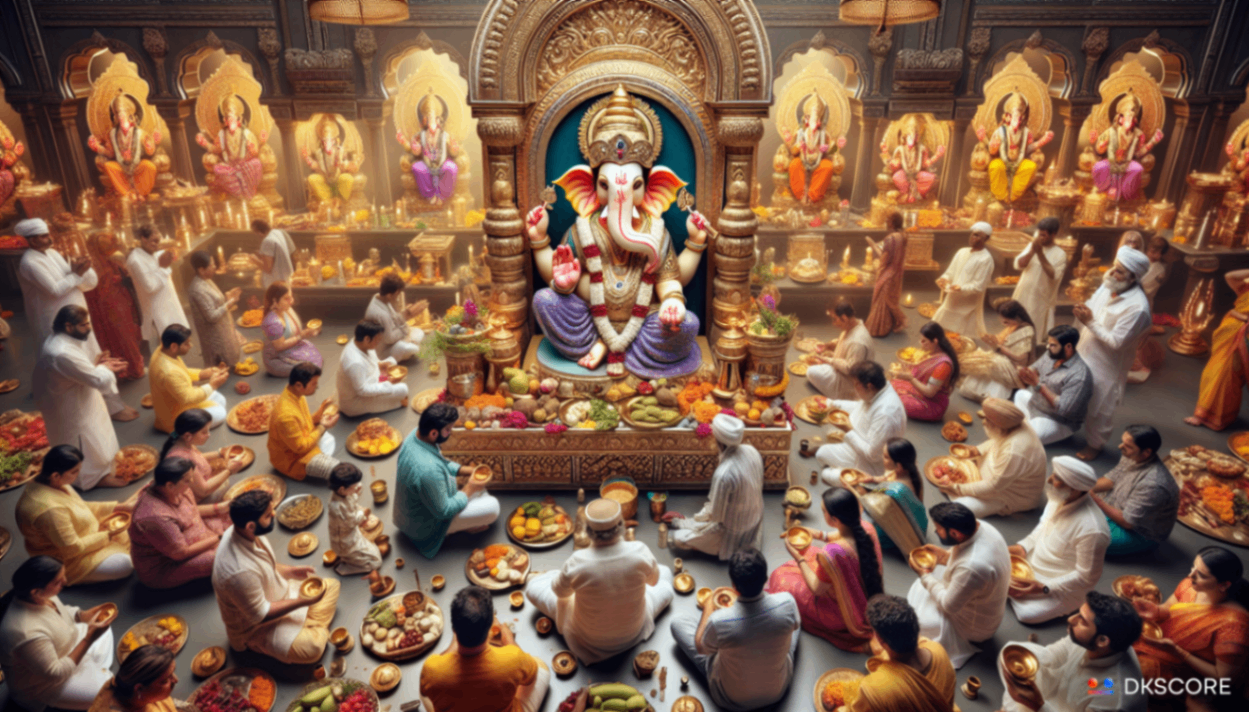
Begin with physical and mental preparation a day or two ahead. Clean the home and altar. Gather items for the puja: a clean idol or image of Ganesha (Dwijapriya form if available), a lamp, incense, flowers, red or yellow clothes for offerings, a bowl with water, milk, a small amount of honey or jaggery, cardamom and other favored spices, and a plate of prasad (modak or laddoos are traditional if available).
2) Sankalpa and invocation
On the day of Sankashti, devotees take a sankalpa—a solemn vow—to observe the vrat, seek Ganesha’s blessings for wisdom and obstacle removal, and to maintain ethical conduct, with special attention to learning, speech, and action. The invocation (avahana) invites Dwijapriya, the form of Ganapati associated with the educated and the studious, to dwell in the altar and bless the home.
3) The main puja and upacharas (offerings)
The puja commonly follows a structured sequence:
- Bathing the idol or image with a ritual wash (abhishekam) using water, milk, or a mixture of water with honey.
- Applying sandalwood paste, kumkum, and red flowers; offering durva grass if available.
- Performing the five (panchopchar) offerings: water, milk, honey, ghee, and yogurt (or curd), symbolizing purity, nourishment, sweetness of life, nourishment of the mind, and community bonds.
- Reciting Ganapati Stuti, Shlokas, or a short Sankashti Katha (story) specific to Dwijapriya, followed by the chanting of a chosen mantra set.
- Offering prasad—modak, laddoo, or fruit—while expressing gratitude for knowledge and guidance.
4) Chants, readings, and music
Devotees often read or listen to a Sankashti Katha, a short narrative about Ganesha and Dwijapriya’s blessing of students and scholars. In many homes, this is followed by bhajans or devotional songs. Some temples host a live or recorded kathā, with a priest guiding the audience through the story and its moral lessons.
5) Moon sighting and vrat completion
The vrat is typically concluded after the moon is sighted (Chandra Darshan). The moon’s appearance marks the moment to break the fast with prasad. In many households, aarti is performed as the final ritual, and the family offers thanks to Ganapati for protection and guidance.
6) Health-conscious practice
Fasting does not require deprivation of essential nutrition. Many practitioners opt for a light, balanced vrat—fruit, milk, dairy, and easily digestible foods—so that the body remains comfortable and the mind stays focused on spiritual aims. It is common to consult a trusted family elder or teacher when deciding the fasting format, especially for children, elders, or anyone with health concerns.
7) Modern twists within traditional bounds
In 2026, many communities blend age-old ritual with contemporary conveniences. Online kathas, live-streamed puja, and digital calendars help spread devotion beyond temple walls. Eco-conscious practices—replacing plaster of Paris idols with clay, avoiding loud synthetic fireworks, and distributing prasad in recyclable packaging—are increasingly part of the festival’s modern expression. Yet the essence remains the same: a day dedicated to learning, humility, and the removal of obstacles through devotion to Ganapati.
Health and Spiritual Benefits of Dwijapriya Sankashti 2026 Rituals
Every festival carries its own blend of health and spiritual benefits. For Dwijapriya Sankashti, the combination of fasting, prayers, and mindful practices can positively impact physical well-being, mental clarity, and spiritual growth.
Physical health and lifestyle benefits
Fasting, when done with awareness, can promote metabolic balance and encourage a routine of mindful eating. Choosing light, nourishing foods supports steady energy and digestion. The day also invites a slower pace, reducing overstimulation and helping rest the body in a busy season. Hydration and moderation are key to keeping the vrat healthy and sustainable.
Mental clarity and emotional balance
The ritual discipline—wakefulness at the right time, a focused puja, and the recitation of mantras—serves as a form of meditation. Repetition of syllables like “Om Gan Ganapataye Namah” fosters concentration, while the stories and katha cultivate gratitude, patience, and perseverance. The act of sharing prasad and participating in communal prayers also nurtures social connection and emotional support.
Spiritual growth and ethical development
The festival offers a platform to cultivate virtues such as humility, honesty, and service. When the vrat is observed with intention—learning goals, improved speech, and compassionate action—the day becomes a springboard for personal transformation. This inward shift often mirrors outward behavior: kinder interactions, better listening, and a greater willingness to support others in their educational or creative endeavors.
Family, community, and cultural continuity
Observances bind families and communities together. Passing down a katha, guiding younger members through the puja, and sharing prasad creates a sense of belonging. For many, the festival is a reminder of cultural roots, while for others it is a doorway to cross-cultural exchange—neighbors and friends from different backgrounds joining in reverent, peaceful celebration.
Mantra Chanting During Dwijapriya Sankashti 2026
Chanting mantras is a central, accessible practice during Sankashti. Repetition helps focus the mind, steady breath, and connect the heart with the divine presence of Ganapati. Below are commonly used mantras, along with practical guidelines for chanting.
Core mantras to chant
- Om Gan Ganapataye Namah – A foundational invocation to Lord Ganesha, widely recited at the start of any Ganapati puja.
- Vakratunda Mahakaya Suryakaraaya Namah – A powerful form to seek removal of obstacles and the bestowing of wisdom through a steady, focused mind.
- Om Lambodaraya Namah – A simple, affectionate address to a beloved form of Ganapati who is gentle and wise.
- Om Ganapataye Namah with a short Ganapati Atharva Sheersha recitation or a selection from a Sankashti Katha—often shared in the reading or listening sessions during the vrat.
Chanting guidelines
- Frequency: 11, 21, or 108 repetitions per sitting are common. Use a mala (rosary) to count repetitions.
- Timing: chant in the morning before sunrise or in the evening after sunset, with a longer session after the moonrise when the puja concludes.
- Environment: sit in a quiet, clean space. Light a lamp to invite the divine presence and maintain a posture of reverence.
- Intention: begin with a clear intention—gratitude for learning, courage to face obstacles, or a wish to improve one’s speech and listening.
Additional devotional practices
Some households include singing bhajans, listening to a short katha, or reading a passage from texts that describe Ganapati’s kindness toward scholars. Thanking teachers, mentors, and elders is also common, often expressed through a brief verbal tribute, a letter, or a small act of service.
Dwijapriya Sankashti 2026 in Modern Times
Modern celebrations of Sankashti often blend cherished customs with contemporary convenience. The following trends illustrate how households and communities adapt while maintaining the essence of the vrat.
- Digital access: Online kathas, livestreamed pujas, and temple broadcasts make the observance accessible to people who live far from temples or who are traveling. Apps and websites provide tithi alerts, mantra playlists, and guided puja videos.
- Eco-friendly practices: Use of clay idols, natural colors, and cloth decorations reduces environmental impact. Many temples encourage swapping non-biodegradable materials for sustainable options and to avoid wasteful celebrations.
- Community and social sharing: Virtual satsangs, social media posts, and neighborhood groups help spread the festival’s spirit, with shared stories, recipes for prasad, and collaborative service projects.
- Family inclusivity: Children participate in story sessions, crafts, and small puja duties to cultivate a sense of sacred responsibility from a young age.
- Health-conscious fasting: Instead of extreme fasting, many families adopt light vrat menus that emphasize nutrition while preserving the mindful intent of the day.
In 2026, as in previous years, the festival’s modern adaptations emphasize accessibility, inclusivity, and environmental responsibility. The core intention—removing obstacles through knowledge, devotion, and virtuous living—remains unchanged, guiding contemporary practitioners to adapt respectfully while keeping the spiritual center intact.
Conclusion
Dwijapriya Sankashti 2026 is a festival that merges ancient wisdom with modern life. It honors the teacher-student bond, the power of disciplined learning, and the sacred space where devotion meets everyday action. Whether you observe the vrat with a full fast or a mindful partial fast, whether you listen to a kathā in a temple or watch a streamed session online, the day invites a return to clarity, humility, and compassionate action.
If you are preparing for Dwijapriya Sankashti 2026, consider:
- Plan ahead with your local Panchang to determine the date and moonrise timing for your area.
- Prepare a simple, meaningful puja space that honors the form of Ganesha that resonates with your family tradition.
- Choose a learning intention for the day—perhaps a new chapter to study, a difficult concept to memorize, or a skill to practice with greater patience.
- Involve family and friends, share prasad, and offer help to others in your community who may benefit from support or learning.
- Embrace eco-friendly practices and mindful consumption that reflect the festival’s emphasis on ethical living and stewardship of the environment.
By weaving myth, ritual, astrology, and modern life, Dwijapriya Sankashti 2026 can become more than a yearly ritual. It can become a living practice that guides us toward wisdom, compassion, and resilience in the face of life’s complexities.
 Donation Links




 Download App